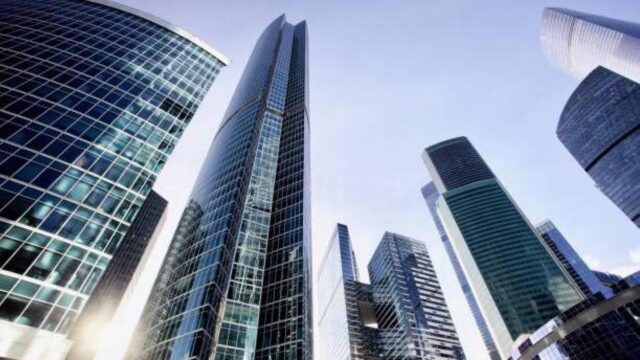
 The Russian real estate market has undergone significant transformations over the past decades, emerging as a dynamic sector with promising opportunities for both domestic and international investors. This article provides a comprehensive overview of real estate development in Russia, analyzing current trends, regulatory frameworks, and future prospects.
Historical Evolution of the Russian Real Estate Market
The real estate market in Russia began its modern development following the dissolution of the Soviet Union in 1991. The privatization of state-owned property led to the creation of a market-driven economy, and the demand for residential, commercial, and industrial real estate grew exponentially. Major cities like Moscow, St. Petersburg, and regional hubs became centers of real estate activity, attracting both developers and investors.
Over the years, government initiatives, such as the introduction of mortgage lending and urban redevelopment programs, have contributed to the sector’s growth. Despite occasional downturns, the market has shown resilience and adaptability.
Current Trends in the Russian Real Estate Market
1. Urbanization and Residential Development
Russia is experiencing continued urbanization, with major cities expanding their residential sectors. According to recent reports, Moscow and St. Petersburg remain the top choices for residential investments, offering high returns and stable demand. Regional cities like Kazan, Novosibirsk, and Yekaterinburg are also gaining traction as affordable yet lucrative markets.
2. Luxury and High-End Properties
The luxury segment has seen consistent growth, particularly in Moscow. Developers are focusing on premium apartment complexes and gated communities catering to affluent buyers. High demand for such properties highlights the market’s capacity to attract high-net-worth individuals.
3. Commercial Real Estate Boom
Commercial real estate, especially office spaces and retail centers, has become a key investment area. With the rise of e-commerce, logistics and warehousing facilities are also experiencing significant demand. Major projects like the Moscow International Business Center (MIBC) have set benchmarks for modern commercial spaces in Russia.
4. Sustainable and Green Building Practices
Environmental sustainability is becoming a priority in Russian real estate. Developers are incorporating green building standards, energy-efficient designs, and smart technologies to appeal to environmentally conscious buyers and meet global standards.
Why Invest in Russian Real Estate?
1. High ROI Potential
Russian real estate offers competitive returns on investment, particularly in major cities. Residential properties in Moscow and St. Petersburg yield an average rental income of 6-8%, while commercial spaces often surpass these figures.
2. Growing Mortgage Market
The Russian government has implemented initiatives to make mortgages more accessible, with interest rates recently reduced to an average of 8.5%. Subsidized loans for young families and military personnel further boost the market.
3. Foreign Investor-Friendly Policies
While some sectors of the Russian economy are restricted for foreign investors, real estate remains relatively open. Non-residents can purchase property with minimal restrictions, particularly in urban areas.
4. Infrastructure Development
Massive investments in transportation, utilities, and urban planning have made Russian cities more attractive for real estate development. Projects like new metro lines in Moscow and St. Petersburg, as well as high-speed rail connections, enhance property values in these regions.
Challenges to Consider
1. Economic Sanctions
Although the Russian real estate market has shown resilience, sanctions imposed by Western countries could impact foreign investments. However, growing partnerships with Asian and Middle Eastern investors have mitigated these risks.
2. Regulatory Complexity
Investors must navigate complex regulatory frameworks, including zoning laws, tax regulations, and property registration processes. Partnering with local legal experts can ease these challenges.
3. Regional Disparities
While Moscow and St. Petersburg dominate the market, regional cities may present varied investment risks. Research and careful planning are essential when exploring opportunities outside major urban centers.
Future Prospects and Growth Drivers